Old Town San Diego State Historic Park marks the site of California's first European settlement, a cluster of adobe buildings, courtyard gardens, and museum rooms laid out around a central plaza. The park sits a few miles northwest of downtown San Diego, in a valley between Mission Hills and the airport, and it preserves much of the original footprint of the pueblo that grew up around the Spanish presidio in the late 1700s.
Visitors come for different reasons. Some are tracing California history back to its earliest chapter; others are passing through on the trolley and stop because the Old Town Transit Center sits right at the park's edge. Either way, the district rewards an unhurried visit rather than a quick photo stop, since most of what makes it worthwhile is inside the buildings, not just in front of them.
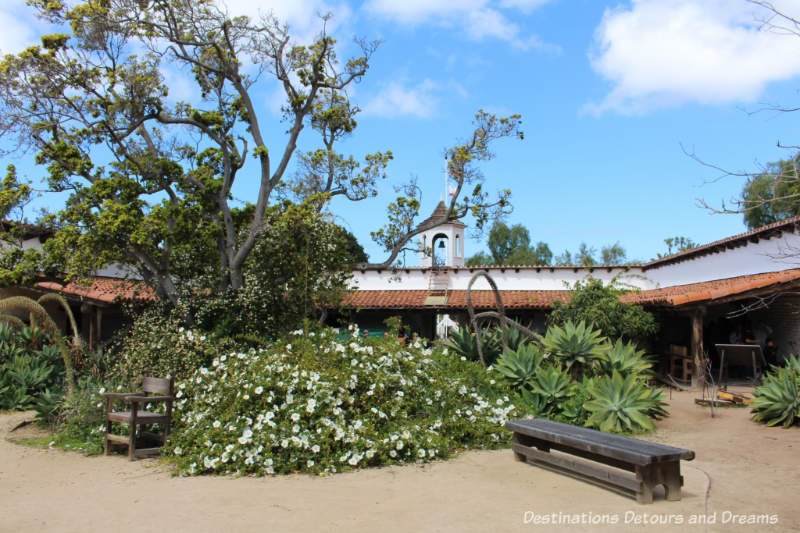
What's Inside Old Town San Diego State Historic Park
The park is organized around a central plaza lined with restored and reconstructed adobe structures, several of which now house small museums, a working blacksmith shop, and a stable with period wagons and tack. Docents in period dress staff some of the buildings on a rotating schedule, and informational plaques throughout the plaza explain what each structure was used for in the pueblo era.
Because the park blends a state historic site with a commercial district, it's easy to wander between a genuinely old adobe wall and a newer building built to match the style. That mix isn't a flaw so much as a reflection of how the neighborhood actually developed over nearly two centuries. Several of the oldest buildings date to the Mexican era of California, before statehood, and a handful of structures and foundations trace back even earlier to the original presidio.
Most of the park's outdoor areas and plaza are open to walk through without charge, though individual museum buildings and guided tours sometimes have their own hours or small fees that change from season to season. Check current signage or the park's own posted hours before planning a visit around a specific building, since staffing and hours for state-run sites can shift.
A Brief History of the District
Long before any Spanish mission existed here, the Kumeyaay people lived throughout this part of the San Diego region, including along the river valleys that later became Old Town and, further east, the land now inside Mission Trails Regional Park. The Spanish established a presidio and mission here in 1769, which is the reason the district is commonly described as the site of the first European settlement in California.
Over the following decades, a civilian pueblo grew up below the original presidio hill, and that pueblo is what today's Old Town preserves. Mexico's independence from Spain in 1821 shifted the settlement's governance without changing its basic layout, and many of the adobe buildings visitors see today date from this Mexican-era period of the pueblo's growth.
By the mid-1800s, as California entered the United States, the center of San Diego's commercial activity gradually shifted south toward the bay, leaving the original pueblo somewhat frozen in time. That slower pace of change is part of why so much of the original street grid and several original structures survived into the 20th century, when the area was formally preserved as a state park.
Shops, Restaurants, and Mexican Heritage
Old Town's commercial streets run alongside the historic plaza, mixing souvenir shops, Mexican restaurants, and craft vendors in buildings built to echo the district's adobe architecture. The food here leans heavily Mexican and Western in character, a reflection of the neighborhood's roots as a pueblo under Spanish and then Mexican governance.
This isn't a single curated food hall; it's a spread of independently run restaurants and stalls along several blocks, so expect some variation in style and price from one storefront to the next. Many visitors plan a meal around a visit to the historic buildings, treating the two as complementary parts of the same outing rather than separate stops.
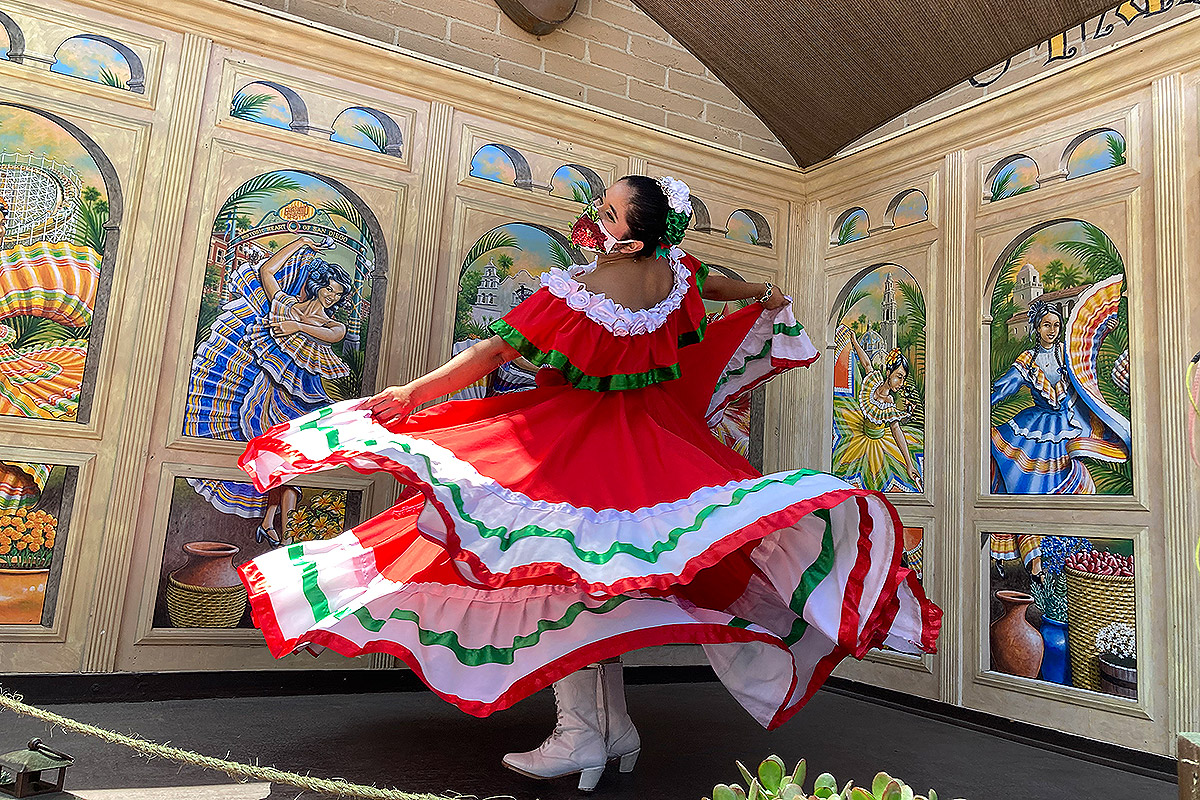
Because specific restaurants open, close, and change hands over time, it's worth confirming that a particular spot is still operating before making it the centerpiece of a visit. The district itself, though, has reliably functioned as a dining and shopping destination for decades, independent of which individual businesses occupy the storefronts in a given year.
Getting to Old Town by Trolley and Car
The Old Town Transit Center sits directly adjacent to the historic park and functions as one of the busiest trolley hubs in the MTS system, serving riders coming from downtown, Mission Valley, and points further east, including La Mesa along the trolley's eastern reach. Arriving by trolley avoids the limited street parking around the plaza, which fills quickly on weekends.
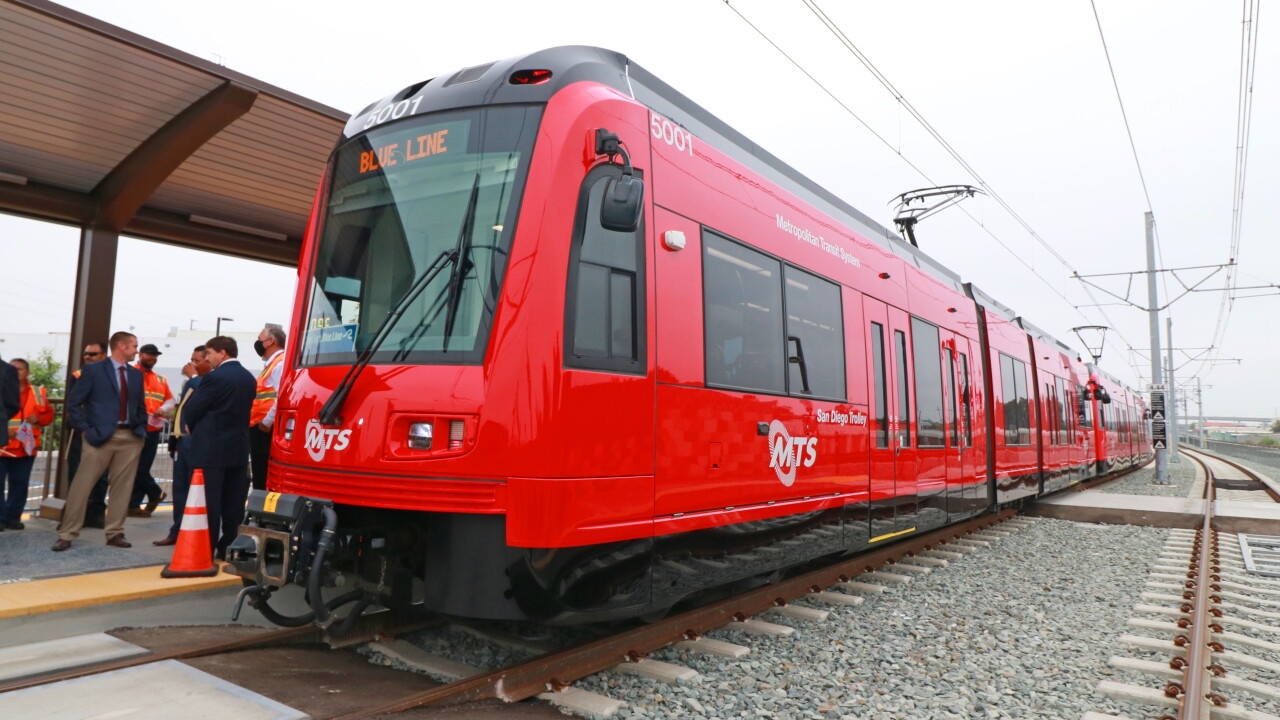
Drivers will find several paid lots near the park, along with some free street parking a short walk away in the surrounding residential blocks. Because the district draws both tourists and commuters transferring between bus and trolley lines, traffic around the transit center can be heavier than the neighborhood's size would suggest, especially during weekday rush hours.
For visitors staying anywhere near the trolley's Blue or Green lines, Old Town is usually a short, direct ride rather than a multi-transfer trip, which makes it one of the more convenient historic sites in the city to reach without a car.
Nearby Downtown Attractions and Practical Tips
Old Town sits close enough to downtown San Diego that it pairs naturally with other stops in a single day. Culturally minded visitors sometimes combine it with the city's performing arts scene, including venues that have hosted organizations like the San Diego Opera, while families often add a stop at the downtown Central Library on the same trip.
Mornings tend to be quieter in the plaza, before tour groups and the midday restaurant crowd arrive, which is worth considering if the goal is unhurried photos of the adobe buildings. Shade is limited in the open plaza areas, so a midsummer visit is more comfortable earlier or later in the day.
As with any historic site that mixes a state park with private businesses, hours and programming can change by season and by building. Confirming current hours before a visit, rather than relying on an old listing, will save a wasted trip to a closed museum room.
Frequently Asked Questions
Is Old Town San Diego State Historic Park free to visit?
The plaza and most outdoor areas are generally open to walk through without charge, though some individual museum buildings and guided tours may have their own fees or limited hours. Check current posted hours before visiting if a specific building is the main draw.
How do I get to Old Town by public transit?
The Old Town Transit Center sits right next to the park and is served by MTS trolley lines connecting downtown San Diego, Mission Valley, and the eastern suburbs, making it one of the easier historic sites in the city to reach without a car.
Why is Old Town considered California's first European settlement?
Spanish colonizers established a presidio and mission on this site in 1769, and the civilian pueblo that grew up below it became the nucleus of what is now San Diego, which is why the district carries that historical distinction.
Are there restaurants in Old Town San Diego?
Yes, the district's commercial streets include a range of independently run Mexican and Western-style restaurants and food stalls. Since individual businesses change over time, it's worth confirming a specific restaurant is still open before building a visit around it.